





The African Commission on Human and Peoples’ Rights (the Commission), meeting in its 81st Ordinary Session, held in Banjul, The Gambia, from 17
.jpg)
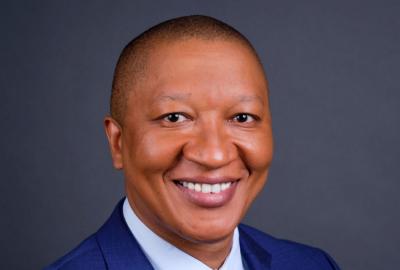
Prof Patrick Osode
Managing Editor | Speculum Juris Law Journal
Speculum Juris Law Journal | Vol 39, Number 2 (2025)
Editorial
“Africa’s Regional Integration Agenda: An introduction” – by Retselisitsoe Phooko @ 277–280
PDF
Articles
“The Development of a Uniform Cross-Border Insolvency Law in SADC: Drawing from the OHADA Experience Regional Legal Practice under the GATS: A SADC Perspective” – by Andre Boraine and Ngaundje Doris Leno @ 281–301
PDF
“The Missing Piece of the Puzzle: The Indispensable Role of Freer Movement of Persons in Implementing the AfCFTA” - by Adetutu Oluwaseyi and Victor T Amadi @ 302–324
PDF
“Re-calibrating Private Parties’ Access to Trade Dispute Resolution under the SADC and AfCFTA Regimes” - by David Kanyenda @ 325–341
PDF
“Regional Legal Practice under the GATS: A SADC Perspective” by Yolanda N Mambure, Lonias Ndlovu and Tharien van der Walt @ 342–361
PDF
“Aligning SADC and Continental Strategies: to what Extent Does Violence against Women in South Africa Constitute an eEent seriously Disturbing Public Order?” - by Shunelle de Beer and Kim-Leigh Loedolf @ 362–378
PDF
“Critical Analysis of the Capacity of SADC in Addressing Vulnerability to Climate Change: Prospects and Challenges on Climate Risk Management Strategies under Africa Agenda 2063” - by Patrick Pikisayi Maweto and Ademola Oluborode Jegede @ 379–398
PDF
“Another Missed Opportunity of Using International Law as an Interpretative Aid of Domestic Law in Botswana” - by Moses Retselisitsoe Phooko and Nokuzola Pangwa @ 390–402
PDF
“Examining the Domestication and Implementation of the African Union Convention on Prevention and Combating Corruption: Comparative Synopsis on the DRC and Botswana” - by Anzanilufuno Munyai @ 403–416
PDF
“The Role of the Principle of Free, Prior and Informed Consent in Fostering Development through Participatory Democracy” - by Naledzani Mukwevho @ 417–436
PDF
ADVISORY BOARD
Speculum Juris Law Journal
ISSN 2523-2177
Hon Mr. Justice D Moseneke
Professor W T Twining
Hon Mr. Justice C M Plasket
Professor G Devenish
Professor S Liebenberg
Hon Justice Dr. W. Mutunga
Professor E Knoetze
Professor JR Midgley
Professor B.J Holden-Smith
Professor T Monsoor